

A Caregiver's Guide to Supporting Someone Through Cancer
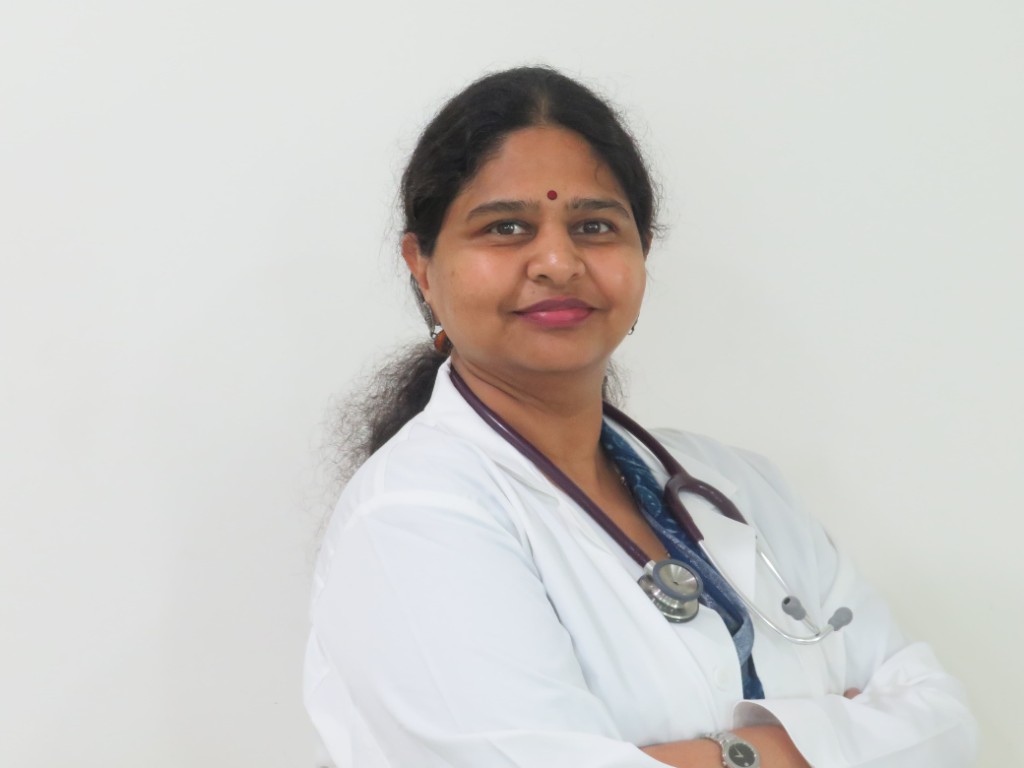 Dr. Sudha Sinha·Medical Oncologist & Hematologist·6 min read
- ✓Caregiver burnout is real and recognised. You cannot pour from an empty vessel — caring for yourself is what makes sustained caregiving possible.
- ✓Let the patient keep control of small daily choices — what they eat, when they shower, how much they move. Offer help; let them decide how much to accept.
- ✓Comments like "stop eating non-veg" or "it was the stress" feel like blame, not help — there's no evidence diet or attitude caused the cancer.
- ✓Most patients sense when something is being hidden from them. Honesty in small steps is usually kinder than maintained silence.
The Caregiver's Experience
Caregivers in India carry an enormous and largely unacknowledged burden. Many reduce or leave employment, sacrifice their own health needs, and experience significant anxiety and depression — often while maintaining the appearance of being fine.
If you recognise yourself in that — you are not alone, and you are not doing anything wrong. Caregiving is demanding precisely because it asks you to hold someone else's fear alongside your own.
Sustainable Caregiving
- ✓You cannot pour from an empty vessel: caring for your own basic needs — sleep, food, brief rest — is not selfishness. It is what makes sustained caregiving possible.
- ✓Share the load: in Indian families, one person — often a daughter, daughter-in-law, or spouse — ends up carrying most of the caregiving responsibility. This is not sustainable and is not required. Ask others to take specific tasks.
- ✓Set realistic limits: not every request needs to be fulfilled immediately. Not every family member's anxiety needs to be managed by you.
Let the Patient Keep Their Choices
It's natural to want to take over everything for someone you love who is unwell — out of love, out of concern, out of a wish to protect them. But taking over completely, even with the best intentions, can leave the patient feeling like they've lost control of their own life on top of everything else.
It matters to the patient that they still get to choose — what they eat, when they shower, how much they move, whether they feel like talking today. Offer help. Let them decide how much of it they want.
Advice That Feels Like Blame
What Not to Say Many families, without meaning to, say things that take away a patient's sense of control and quietly add guilt on top of it: "Stop eating non-veg." "Cut out sugar completely." "Just stay positive." "It was the stress that caused this."
- !These comments are usually said out of fear and a wish to help — but they often land as instructions, or worse, as a suggestion that the patient somehow caused their own illness. There is no good evidence that stress, diet, or attitude caused the cancer.
- !If you want to be useful, ask what the doctor has recommended and support that, rather than offering a new theory of your own.
When the Family Chooses Not to Tell the Patient
In many Indian families, the instinct when someone is diagnosed with cancer is to protect them from the word itself — avoiding "cancer" at home, softening the diagnosis, or sometimes not telling the patient the full truth, particularly with elderly parents. This comes entirely from love.
But it rarely works the way families hope. Patients notice the change in tone, the hushed conversations, the relatives who suddenly seem too kind. Most sense that something serious is happening, even when nobody has said the word.
When a patient senses something is wrong but nobody will say it plainly, they are often left to face their fear completely alone — without facts, without the chance to ask questions. This isolation can be harder to bear than the diagnosis itself.
If your family has been managing this way and are wondering whether to change course, you don't have to do it all at once. Answering direct questions honestly when they're asked, rather than deflecting, is a good starting point. Most patients don't need every detail at once — what they need is to feel that the people around them will not lie to them if they ask.
If you're unsure how much the patient should know, this is a reasonable thing to discuss with the oncology team. It's one of the most common questions families ask in clinic, and there's almost always a kinder way through than silence.
Involving Community and Friends Usefully
People who care but don't know how to help can be given specific tasks. This is better for them and better for you.
- ✓Meal preparation on specific days.
- ✓Accompanying the patient to a hospital appointment.
- ✓Sitting with the patient for a few hours so the primary caregiver can rest.
- ✓Managing school pickup or household errands.
- ✓Simply calling the patient regularly — it costs nothing and means more than most people realise.
What to Say — and What Actually Helps
Most people say the wrong thing not because they don't care — but because they don't know what to say. This is for anyone, beyond the immediate caregiver, who wants to show up well.
Professional Support for Caregivers
Caregiver burnout is real and recognised in cancer care. If you're the primary caregiver and you're struggling, speaking to someone is not weakness — it's the most responsible thing you can do, for yourself and for the patient.
- ✓Individual counselling: talking to a trained counsellor — someone with no stake in the outcome — allows a level of honesty not possible with family or the patient.
- ✓Support groups: connecting with other caregivers who understand exactly what you're carrying reduces isolation significantly.
What you're doing is one of the most demanding things a human being can do. The fact that it feels like it should be easier does not mean you're doing it wrong.
You are not invisible to us. Ask for help when you need it — including from your oncology team.
Frequently Asked Questions
Related Reads
Questions about your treatment plan?
Our patient coordinator is available on WhatsApp.
WhatsApp 7207815222