

Low Immunity During Chemotherapy: How to Protect From Infections
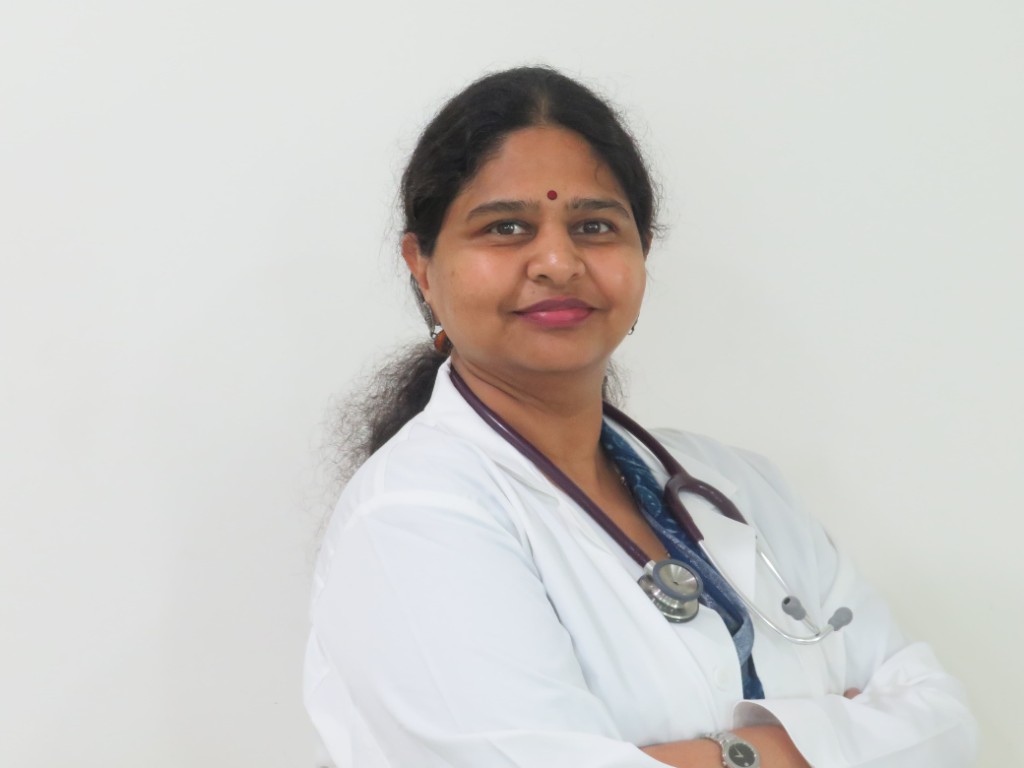 Dr. Sudha Sinha·Medical Oncologist & Hematologist·10 min read
- ✓Wash hands frequently. Eat only freshly cooked home food during treatment.
- ✓Infection risk is highest days 7–14 of a 3-weekly cycle, when counts are lowest.
- ✓Fever above 100.4°F (38°C) during chemotherapy is a medical emergency. Call immediately — don't take paracetamol and wait.
- ✓Infection can occur without fever when counts are very low. Anything out of the ordinary — call your doctor.
Why Does Chemotherapy Lower Your Immunity?
When to Call Your Doctor — Fever, and Everything Else
Every oncology patient is told: call if you get a fever. True — but not the complete picture.
The Fever Threshold A temperature above 100.4°F (38°C) at any point in your cycle needs same-day medical assessment. Don't take paracetamol and wait to see how you feel — call immediately.
When counts are severely low, the body may not generate a fever at all — infection can be well established with no fever, or only a mild one patients dismiss. Call if you have a fever, and call if anything feels out of the ordinary, regardless of temperature.
Symptoms that need a call — with or without fever
Why antibiotics must start immediately
- ✓Febrile neutropenia is an oncological emergency. IV antibiotics start within the first hour of arriving at hospital.
- ✓Antibiotics start before the source is confirmed — blood tests, urine tests, and a chest X-ray happen at the same time, not before.
- ✓"Take a Crocin and wait until morning" is not an option. Paracetamol masks the fever while infection continues unchecked.
Tell reception or emergency staff immediately: "I am a chemotherapy patient and I have a fever." These words trigger priority assessment. Don't wait in the general queue. State it clearly, immediately.
Does It Depend on Your Cancer?
When we think of dangerously low immunity — severe fevers, emergency admissions — we're usually thinking of blood cancers.
Discuss with your oncologist exactly how immunocompromised you are on your specific regimen — the answer isn't the same for every patient.
Reading Your Blood Report
Every patient receives a Complete Blood Picture (CBP/CBC) before each cycle and often at the midpoint. The numbers that matter most for infection risk:
If your report shows low ANC or TLC — even if you feel well — that's your signal to increase precautions: avoid crowds, eat only freshly cooked food, postpone non-essential visitors.
Ask Your Doctor This Question "Is my immunity low right now? What is my risk of infection, and what should I be doing differently?" — a clear, practical answer without needing to know the exact number yourself.
Filgrastim (G-CSF) — The Injection Explained
Some patients receive filgrastim (G-CSF), typically starting one to two days after chemotherapy ends.
When families see another injection prescribed, the fear is instant: is something wrong, is the cancer spreading? No. Filgrastim is a planned, protective part of your treatment.
What it does
- ✓Boosts the bone marrow to make more neutrophils after chemotherapy.
- ✓Shortens the number of days your white cell counts stay low.
- ✓Reduces the risk of serious infections, fevers, and hospitalisation.
Two forms
Daily injection — given for several days after each cycle. Pegylated G-CSF (long-acting) — one injection per cycle. Your oncologist decides which suits your regimen, counts, and situation.
Who receives it, and how
Not every patient needs it — your oncologist prescribes based on the drugs used, dose intensity, count trends, age, and any prior-cycle infection. Given as a subcutaneous injection, usually in the abdomen or upper arm. The nursing team will demonstrate the technique if you're administering it at home.
Watch: Self-Administering Your G-CSF Injection at Home [DEV: link YouTube Short here once filmed]
A common side effect as the bone marrow becomes more active — usually in the lower back, hips, shins, and behind the breastbone. Expected, and a sign it's working. Paracetamol usually helps. Tell your doctor if pain is severe or not settling.
When Is Your Infection Risk Highest?
After each cycle, counts drop before recovering. The lowest point — the nadir — is when infection risk peaks. For most 3-weekly regimens, that's days 7–14. On a weekly or dose-dense schedule, ask your oncologist which days are highest-risk for you.
Before your next cycle, count forward 7 days and mark days 7–14 on a calendar. Plan visits and functions around these days, not through them. This one habit prevents most infection-related admissions.
Protecting Yourself at Home
Most infection prevention guidance is written for a Western nuclear household. Indian homes are different — extended family, daily visitors, domestic help, religious gatherings. Here's how to apply the principles in your actual context.
Hand hygiene — the single most effective precaution
- ✓Wash with soap for 20+ seconds, or sanitise — before eating, after the toilet, after touching outside surfaces, after visitors.
- ✓Ask family and visitors to wash or sanitise before approaching you.
- ✓Keep sanitiser at the entrance, in the kitchen, and near the patient's room.
This alone prevents the majority of community-acquired infections during chemotherapy.
Managing visitors
- ✓Well visitors are welcome. Ask anyone with cold, cough, fever, or loose motions to postpone.
- ✓On low-count days: fewer people, shorter and better-ventilated visits.
- ✓Domestic help: ask them to flag if unwell, and to sanitise at entry.
- ✓The pooja room: fresh flowers carry fungal spores — consider silk flowers temporarily, especially for blood cancer patients.
Personal hygiene
- ✓Bathe daily. Keep skin clean and dry — bacteria enter through small cuts.
- ✓Don't share towels, razors, or personal items during treatment.
- ✓Gargle with plain water after every meal — especially important with mouth sores.
- ✓Avoid walking barefoot outside.
- ✓Any redness, warmth, or discharge at your IV/port site — call the same day.
Food Safety — Indian Kitchen Guidance
Food is one of the most common infection routes during chemotherapy. The precautions fit everyday Indian cooking.
Street food, roadside stalls, buffets, and catered functions — avoid entirely during treatment, not only on low-count days.
Low Immunity Is Not Always From Chemotherapy
If infections happen more than expected, or earlier than your low-count window, something else may be contributing:
- ✓Immunotherapy can cause immune dysregulation, sometimes increasing susceptibility to certain infections.
- ✓High-dose steroids suppress immune function independently and raise fungal infection risk.
- ✓The cancer itself — blood cancers compromise immunity before treatment even begins.
- ✓Prolonged hospitalisation increases exposure to resistant hospital-acquired organisms.
If infections keep happening outside the expected pattern, don't assume it's just the chemotherapy. Tell your oncologist.
Frequently Asked Questions
Related Reads
Questions about your treatment plan?
Our patient coordinator is available on WhatsApp.
WhatsApp 7207815222