

Tiredness and Weakness During Chemotherapy: Why Does It Happen and What Helps?
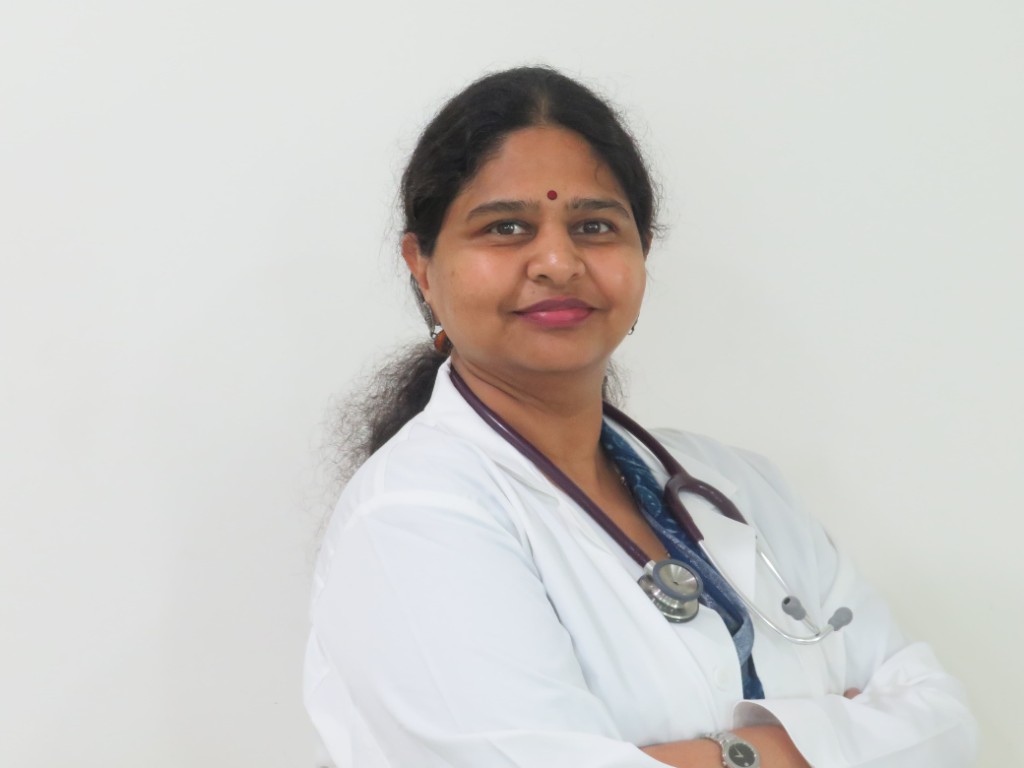 Dr. Sudha Sinha·Medical Oncologist & Hematologist·9 min read
- ✓Chemotherapy tiredness and weakness is caused by the treatment — not laziness, not weakness of character.
- ✓Tiredness is cyclical and temporary — worst in the middle of your cycle, better toward the end. This repeats, and eventually it ends.
- ✓Listen to your body. Gentle activity on good days, rest without guilt on hard days.
- ✓Tiredness that's worsening, breaks the expected cycle, or comes with fever, dizziness, or chest pain needs a same-day call to your doctor.
Why Does Chemotherapy Cause Such Extreme Tiredness?
Ordinary tiredness resolves with rest. Chemotherapy weakness doesn't always respond to rest alone — which is frightening and confusing when you don't expect it. Several things are happening at once:
Tiredness and weakness during chemotherapy is not a sign that treatment is failing. It's a direct, expected consequence of the treatment doing its job. Many patients with excellent treatment responses experience significant tiredness — the two are unrelated.
When to Call Your Doctor
Most chemotherapy fatigue is expected and managed at home. Call your oncologist the same day if any of the following occur:
- !Fever above 100.4°F (38°C) alongside extreme weakness — needs immediate assessment, not morning.
- !You cannot get out of bed for more than 24 consecutive hours — even accounting for where you are in your cycle.
- !Dizziness or feeling faint every time you stand up.
- !Shortness of breath with minimal activity — or at rest.
- !Heart racing at rest, or chest pain with fatigue.
- !Fatigue significantly worse than previous cycles, with no clear explanation.
These may indicate anaemia, infection, or a cardiac or thyroid issue. Call your oncologist — do not wait for the next scheduled appointment.
Fatigue Is Cyclical — Understanding the Pattern
This is the most important thing to understand: fatigue follows a predictable pattern. It is not random, and it is not getting worse with no end. It cycles with your treatment.
Shown for a 3-weekly regimen (most common). On a 2-weekly (dose-dense) schedule, the same pattern compresses into roughly days 1–4 building, 5–10 worst, 11–14 recovering. On weekly chemo, it compresses further to day 1–2, 3–5, 6–7. Ask your oncologist which pattern applies to you.
Plan your hardest days — the low-count window — in advance. This isn't the time for family visits, household decisions, or anything requiring energy or concentration.
- ✓The days toward the end of your cycle, when you feel most like yourself, are your window. Use this time for things that matter to you — and rest without guilt on the hard days, because the better days are coming.
Weakness After Chemotherapy — Normal or Not?
What is normal
- ✓Feeling very tired, especially in the middle of your cycle.
- ✓Needing more sleep than usual — 10 to 12 hours or more on hard days.
- ✓Tiredness that comes in waves — some hours better, some worse.
- ✓Simple tasks — bathing, eating, walking to the bathroom — taking far more effort than before.
- ✓Tiredness that improves toward the end of each cycle, before the next one begins.
What needs medical attention
Tiredness beyond the expected pattern — or with other symptoms — may signal something needing investigation.
- !Tiredness is getting progressively worse across cycles — not following the expected pattern.
- !Extreme weakness has come on suddenly — different from your usual tiredness.
- !You need support for normal activities — bathing, walking, reaching the table — and this is new.
- !You feel breathless with minimal activity — even at rest.
- !You feel dizzy when you stand up.
- !You cannot get out of bed for more than 24 hours — even on a day that should be recovering.
Tell your doctor how many days, how severe, and how it compares to your usual pattern.
What Helps at Home — Indian Home Guidance
There's no single fix. But several things make fatigue meaningfully more manageable, adapted to the Indian home context.
Gentle activity — this may surprise you
Complete bed rest throughout chemotherapy worsens tiredness over time. The instinct is to rest completely, and rest is right on hard days — but on days when energy allows, gentle movement significantly reduces cancer-related weakness.
- ✓10 to 15 minutes of gentle walking daily — around the house, to the kitchen and back, or outside in the morning.
- ✓Sitting outside for 10 minutes in morning sunlight if you can't walk.
- ✓Gentle stretching — even from a seated or lying position.
On good days — move gently. On hard days — rest completely, without guilt.
What I tell my patients: normally, when we push ourselves, we rest an hour or two and feel better. After chemotherapy, doing more than your body is asking for takes much longer to recover from, and can leave you far more tired than expected. Listen when it asks you to stop.
Fatigue is cyclical. The hard days come, and they pass. Resting on those days is not giving up — it's working with your body, not against it.
Nutrition and hydration
- ✓Small, frequent meals every 2–3 hours sustain energy better than three large ones.
- ✓Easy, energy-rich Indian foods: khichdi, curd rice, banana, dal with rice, idli with sambar, soft upma.
- ✓Adequate protein — eggs, dal, paneer, curd — supports muscle maintenance.
- ✓Hydration: dehydration significantly worsens tiredness. Aim for 8–10 glasses daily — coconut water, buttermilk, diluted juice, and warm soups all count.
- ✓If appetite is very poor on hard days, focus on fluids first. Food follows when the body is ready.
Sleep and rest
- ✓Prioritise night sleep — this is when most cellular recovery happens.
- ✓Short rest periods during the day are fine — 20–30 minutes after meals.
- ✓Avoid long daytime sleep — several hours in the afternoon can disrupt night sleep and worsen overall tiredness.
- ✓A cool, quiet room helps — Hyderabad heat adds to weakness. A fan, cool water, and loose cotton clothing make a real difference.
- ✓If sleep is disturbed by anxiety, nausea, or discomfort — tell your oncologist. These are treatable.
Energy management — plan around the cycle
- ✓Schedule demanding tasks — hospital visits, important calls — for the better days at the end of your cycle.
- ✓Morning is usually when energy is highest. Front-load important tasks there.
- ✓Reduce or eliminate household responsibilities during the low-count window. This is not optional — it's part of treatment.
- ✓Accept help. The instinct in Indian households is for the patient to keep managing things through treatment — during chemotherapy, let family members take over.
A Note for Families and Caregivers
This section is for the family. What you do — and say — makes a real difference to how the patient experiences fatigue.
What helps
- ✓Understand the cycle. The instinct is complete rest throughout — but this actually worsens weakness over time. On recovering days, gently encourage short walks or sitting outside.
- ✓Both are real: feeling better toward the end of the cycle, and not being able to get up on day 10. Knowing this helps you help them better.
- ✓Take over cooking, household decisions, and daily management on hard days. Don't ask whether help is needed — just do it.
- ✓Ask: "What do you need right now?" Not what you think they should need — what they actually need in that moment.
- ✓If you notice excessive sleeping — more than 12–14 hours consistently, or unable to stay awake for meals — mention this to the oncologist.
What makes it harder
- ✓"You need to stay strong" — adds emotional pressure on top of physical exhaustion.
- ✓"You need to eat more, get up, keep moving" — not helpful when the body is in the low-count window.
- ✓Visitors during hard days — even well-meaning ones — drain energy the patient doesn't have.
- ✓Expecting the patient to manage household tasks or decisions during treatment.
The pressure to be positive, eat well, and push through adds emotional fatigue on top of physical fatigue. Both are real. Both matter.
On the hard days: be present. Be quiet. That is enough.
Fatigue Is Not Always From Chemotherapy
If fatigue doesn't follow the expected cycle, or is worsening across cycles, another cause may be contributing:
- ✓Anaemia — a drop in haemoglobin causes tiredness and breathlessness that doesn't follow the usual cycle pattern. The most common treatable cause of severe weakness during chemotherapy.
- ✓Infection — during low blood counts, infection causes sudden worsening of fatigue, often before fever appears.
- ✓Thyroid changes — some chemotherapy drugs and immunotherapy agents affect thyroid function, causing fatigue that doesn't follow the cycle pattern.
- ✓Nutritional deficiency — iron, B12, folate, and zinc deficiency are common during treatment and worsen fatigue independently.
- ✓Emotional fatigue — anxiety, depression, and the psychological load of cancer treatment cause real physical exhaustion. These are treatable — tell your oncologist if you're struggling emotionally.
If your fatigue feels different from what's described in this article — raise it. Don't assume it's all from the chemotherapy.
Frequently Asked Questions
Related Reads
Questions about your treatment plan?
Our patient coordinator is available on WhatsApp.
WhatsApp 7207815222