

Mouth Sores During Chemotherapy: How to Prevent Them and When to Call Your Doctor
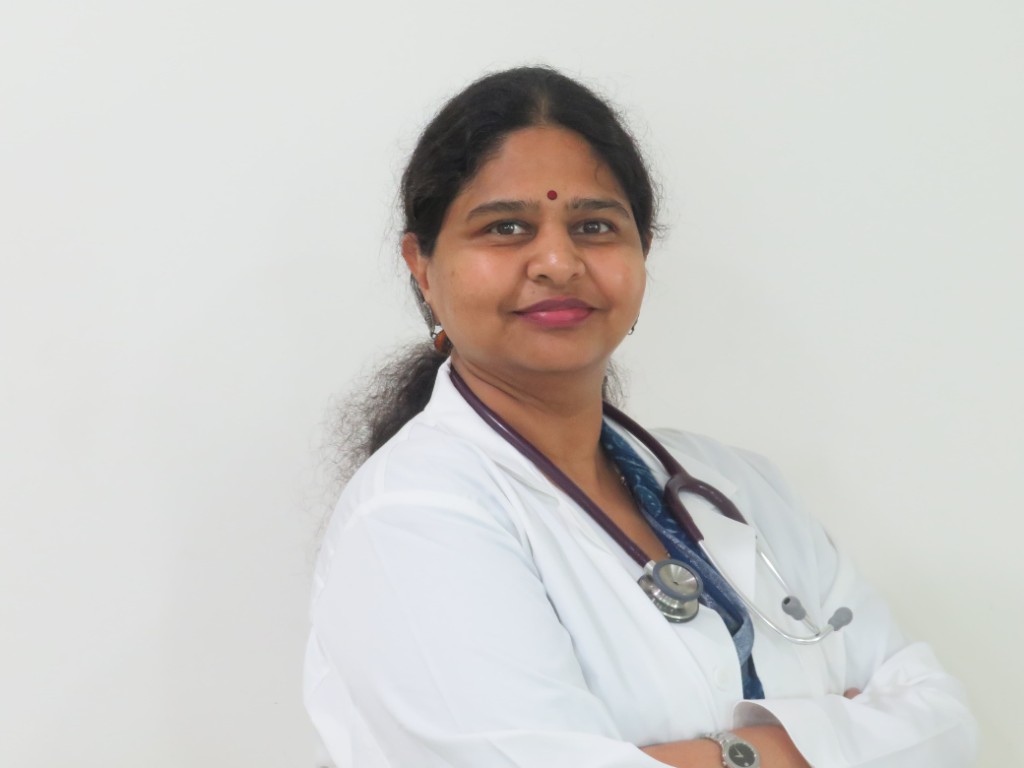 Dr. Sudha Sinha·Medical Oncologist & Hematologist·9 min read
- ✓Start oral care on Day 1 of chemotherapy — before any sore appears. Prevention works; waiting until a sore develops is too late.
- ✓Gargle with salt water after every meal and at bedtime. This one habit significantly reduces the severity of mouth sores.
- ✓Do not use betadine (povidone iodine) as a routine mouth rinse — it isn't recommended for mucositis prevention and can worsen taste changes.
- ✓If you cannot eat, drink, or swallow — or your mouth has a foul smell — call your doctor the same day.
Mouth sores are one of the more painful and disruptive side effects of chemotherapy. They make eating difficult, affect nutrition, and for some patients become severe enough to delay treatment. The good news: with the right oral care routine started from Day 1, most mouth sores can be prevented or kept mild.
What Are Mouth Sores and Why Does Chemotherapy Cause Them?
When Do We Worry?
Most mild mouth sores are managed at home with good oral care and diet modification. The following situations need a same-day call to your oncologist — do not wait for your next scheduled appointment.
- !You cannot eat or drink anything at all — not even small sips of water.
- !You develop a fever alongside mouth sores.
- !You cannot swallow your oral medications.
- !You're losing weight because eating is too painful.
- !There's a foul or unpleasant smell from the mouth — this suggests infection.
- !There's bleeding from the mouth sores.
- !The pain is severe and not responding to paracetamol.
Severe mucositis is a medical situation. IV fluids, pain relief, and antifungal or antibiotic treatment may be needed in hospital.
Where in the Body Can Mucositis Affect?
The mucosal lining runs from the mouth all the way through the digestive tract to the intestines. Chemotherapy can affect any part of it. The most common sites:
Who Is More Likely to Get Mouth Sores?
Not every chemotherapy patient develops significant mouth sores. Several factors increase the risk:
- ✓Certain chemotherapy drugs: 5-fluorouracil (5-FU), methotrexate, cytarabine, and high-dose regimens for blood cancers carry the highest risk. Paclitaxel, docetaxel, adriamycin, and epirubicin also contribute.
- ✓Low blood counts: when white cell counts are very low, the mouth's ability to fight infection is reduced — worsening any existing sores.
- ✓Chemotherapy combined with radiotherapy: particularly for head, neck, or throat cancers — significant mucositis is common and tends to be more severe than with either treatment alone.
- ✓Radiotherapy alone to the head and neck: many patients develop mouth sores that can be significant and often worsen as treatment continues.
- ✓Poor nutritional status: deficiencies in zinc, B vitamins, and protein slow healing and increase severity.
- ✓Pre-existing poor oral health: broken teeth, gum disease, or ill-fitting dentures create sites where mucositis starts and worsens.
- ✓Blood cancers: leukaemia and lymphoma patients on intensive regimens have among the highest rates of severe mucositis.
What Does It Feel Like? Symptoms by Severity
Mouth sores develop in stages. Knowing where you are on this scale helps you and your doctor respond at the right time.
What patients commonly describe
Prevention and Oral Care During Chemotherapy
Prevention is far more effective than treatment. Starting oral care from the very first day of chemotherapy — before any sore develops — significantly reduces the severity of mucositis or prevents it altogether.
The salt water gargle — your most important daily habit
This is the single most practical thing you can do. Simple, safe, and effective.
How to Gargle — Dr. Sinha's Instructions Routine use — every day from Day 1 of chemotherapy:
- ✓Add one tablespoon of plain table salt to one litre of cooled boiled water.
- ✓Gargle after every meal and at bedtime. If you're not eating much, gargle at least 4 times a day — morning, midday, evening, and before sleep.
- ✓Warm water is preferred — more soothing on an inflamed mouth. Room temperature is also fine.
- ✓Add a small pinch of cooking soda (the same baking soda used in your kitchen) to your salt water.
- ✓You'll see it bubble briefly when added — that's normal and means it's active.
- ✓Gargle immediately while it still bubbles. Make this fresh each time — don't store the soda mixture.
When there's infection — foul smell, worsening sores, or thick mucus:
Soft toothbrush — twice daily
- ✓Use the softest toothbrush available. Brush gently twice a day. Don't skip brushing because the mouth is sore — a clean mouth heals faster.
- ✓If brushing causes bleeding: check your platelet count. Below 40,000, ask your oncologist whether to continue brushing or switch to rinsing only.
- ✓Don't use electric toothbrushes during active mouth sores — the vibration can worsen pain and cause bleeding.
Toothpaste — what to use and what to avoid
- ✓Use a mild, non-foaming toothpaste or plain fluoride toothpaste. Strong mint flavours can sting on inflamed tissue.
- ✓Do not use: coal-based toothpowder, charcoal toothpaste, or whitening toothpastes — these are abrasive and worsen mucosal damage.
- ✓Neem stick users: avoid during active mouth sores — the rough texture can traumatise inflamed tissue. Resume after treatment ends if preferred.
Lip care
- ✓Keep lips moist with plain coconut oil or a simple lip balm. Cracked, dry lips are a common entry point for infection.
- ✓Avoid petroleum jelly (Vaseline) — the oil base can promote fungal growth on inflamed tissue.
Denture wearers
- ✓Remove dentures as often as possible — particularly at night and during rest periods. Wearing dentures over inflamed tissue worsens mucositis.
- ✓Clean dentures thoroughly after each meal. Don't wear dentures if mouth sores are severe.
- ✓Loose-fitting dentures cause trauma to the mucosal lining. Have them assessed before starting chemotherapy if possible.
What to avoid completely during chemotherapy
- ✓Commercial mouthwashes — most contain alcohol, which dries and irritates the mucosal lining.
- ✓Tobacco in any form — smoking, chewing tobacco, zarda.
- ✓Paan, paan masala, gutkha, and betel nut — see Section 8.
- ✓Very hot food and drinks — heat on inflamed tissue is painful and delays healing.
- ✓Spicy food, raw chillies, and acidic food like tamarind and raw lemon directly on sores.
Treatment — What Your Doctor Prescribes
When mouth sores develop despite prevention, or when they're severe, your oncologist has several options — prescribed based on severity and whether infection is present.
Pain relief
- ✓Viscous lignocaine (xylocaine gel): a local anaesthetic gel applied before meals. Numbs the area and makes eating possible. Spit out — don't swallow.
- ✓Anti-inflammatory (benzydamine) mouthwash: reduces pain and inflammation.
- ✓Systemic pain relief: paracetamol for mild pain. Stronger analgesics if needed — your oncologist will guide this. Don't self-medicate with ibuprofen or aspirin during chemotherapy.
Antifungal treatment — for oral thrush
White patches in the mouth that wipe off to reveal a red, raw surface are a sign of oral thrush (fungal infection) — not just mucositis. This is common during chemotherapy and is treated separately with antifungal medication. Tell your doctor if you notice white patches — they look and feel different from the yellow-white ulcers of mucositis. Antifungal oral drops, rinses, or tablets will be prescribed depending on severity.
Protective coating agents
- ✓Sucralfate suspension: coats the ulcer surface, reduces pain, and protects the raw tissue. Used as a rinse or applied directly.
- ✓Barrier gels: form a protective film over the sores — useful before meals.
Many patients apply toothache gel, clove oil, or OTC antiseptic sprays to mouth sores. These may sting, worsen the mucosal damage, or mask an underlying infection that needs treatment. Show your doctor the sores and let them prescribe the right approach.
Other Causes — Not Always Chemotherapy
Paan, Betel Nut, Gutkha, and Tobacco
If You Use Paan, Betel Nut, or Gutkha Paan, betel nut (supari), paan masala, gutkha, and chewing tobacco are extremely common in Telangana and Andhra Pradesh.
- !These substances are irritants to the mucosa and make chemotherapy side effects worse. Mouth sores will be significantly more severe, develop earlier, and heal more slowly.
- !The recommendation is clear: stop completely before starting chemotherapy and do not resume during treatment.
Other causes worth ruling out if sores are unusual in timing, appearance, or severity:
- ✓Oral thrush — white patches, burning, different appearance from mucositis. Requires antifungal treatment.
- ✓Nutritional deficiency — iron, B12, zinc, or folate deficiency. Ulcers can appear early or persist longer than expected.
- ✓Herpes simplex reactivation — clustered sores on and around the lips. Needs antiviral, not mucositis treatment.
- ✓Pre-existing mucosal damage — from paan, betel nut, gutkha, or tobacco. The mouth starts treatment already compromised.
If your sores look unusual, appear very early, or aren't responding to standard care — don't assume it's all from chemotherapy. Tell your oncologist.
Eating With Mouth Sores — Diet and Taste Changes
The goal is to keep nutrition and hydration going while minimising pain. Eat small amounts frequently — don't wait until you're hungry, because hunger may not signal clearly when the mouth is inflamed.
A full liquid and semi-solid diet guide for patients who can't eat solid food is in preparation — link will be added here once published.
Taste changes during mouth sores
Taste changes and mouth sores often occur together. Food may taste metallic, bitter, too salty, or like nothing at all. This is caused by chemotherapy affecting the taste buds — separate from the sores themselves, but worsened by them.
- ✓Cold or room temperature food tastes more neutral than hot food — easier to eat.
- ✓Stronger flavours — tamarind, lemon, coconut — are sometimes tolerated better than bland food, but test carefully if the mouth is sore.
- ✓If food tastes metallic, try eating with a plastic spoon rather than metal cutlery — it sounds small, but it genuinely helps some patients.
- ✓Taste usually returns to normal within weeks to months after treatment ends.
Frequently Asked Questions
Related Reads
Questions about your treatment plan?
Our patient coordinator is available on WhatsApp.
WhatsApp 7207815222