
How Much Water Should You Drink During Chemotherapy?
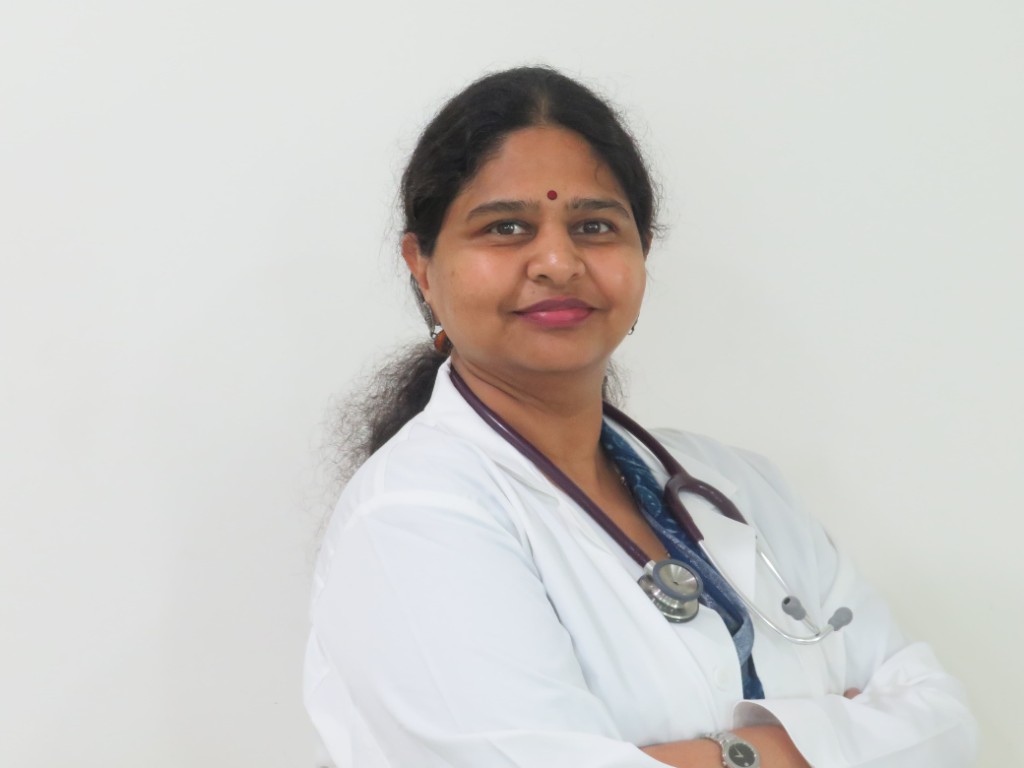 Dr. Sudha Sinha·Medical Oncologist & Hematologist·8 min read
- ✓Aim for 8 to 10 glasses of fluid a day. Fill two 1-litre bottles in the morning and finish both by 8 or 9pm. Simple, trackable, practical.
- ✓Sip throughout the day — do not try to drink large amounts at once, especially if you have nausea.
- ✓Plain water, ORS, buttermilk, coconut water (with precautions), soups, kanji, ganji — all count. Tea and coffee in small amounts are fine.
- ✓No urine for 8+ hours, very dark urine, dizziness when standing, or dry mouth despite drinking adequately — call your doctor.
Staying well-hydrated during chemotherapy is one of the most practical things a patient can do to feel better and recover faster between cycles. Yet it's one of the most overlooked. Nausea, mouth sores, fatigue, and loss of appetite all make drinking feel like an effort. This article is about making it manageable.
Why Hydration Matters More During Chemotherapy
The body always needs water to function. During chemotherapy, the demand is higher and the risks of falling short are greater.
When to Call Your Doctor
Call the Same Day If: !No urine passed in 8 or more hours. !Urine is very dark brown or cola-coloured — not just yellow. !Dizziness or feeling faint every time you stand up. !You've been vomiting or had diarrhea for more than 8 hours and cannot keep any fluids down. !Persistent dry mouth despite drinking adequate fluids — not explained by thirst alone. !Sudden significant swelling of the feet or legs — can indicate fluid is going to the wrong places. These may need IV fluids, electrolyte correction, or investigation of an underlying cause. Do not wait for your next appointment.
- !No urine passed in 8 or more hours.
- !Urine is very dark brown or cola-coloured — not just yellow.
- !Dizziness or feeling faint every time you stand up.
- !You've been vomiting or had diarrhea for more than 8 hours and cannot keep any fluids down.
- !Persistent dry mouth despite drinking adequate fluids — not explained by thirst alone.
- !Sudden significant swelling of the feet or legs — can indicate fluid is going to the wrong places.
How to Know If You're Dehydrated
Many patients don't feel thirsty — especially during chemotherapy when the normal thirst signal is blunted by nausea and medication. Do not rely on thirst alone. Watch for these signs:
How Much to Drink — The 2-Bottle Method
The general target is 8 to 10 glasses of fluid daily — roughly 2 litres. This is the standard guidance for most adults during chemotherapy, assuming normal kidney, cardiac, and liver function.
The 2-Bottle Method Fill two 1-litre bottles of water in the morning. Your goal is to finish both by 8 or 9pm.
- ✓Sip steadily through the day — do not try to drink a large amount all at once, particularly if you have nausea. Small amounts regularly is far easier on the stomach than large amounts infrequently.
- ✓The bottles can contain plain water, or you can alternate — one bottle of water, one bottle of ORS or a fluid of your choice. Tea and coffee are not included in fluid quota.
- ✓Finishing both bottles by early evening means you're not lying awake needing to use the bathroom through the night.
Some patients believe drinking 4 to 5 litres of water daily will flush the chemotherapy out of their system faster or "detoxify" the body. This is not correct — and excessive plain water intake can dilute sodium levels in the blood, causing a condition called hyponatraemia.
- ✓Drink enough. 2 litres is the target for most patients. Do not drink excessively in the belief it will help.
What to Drink — Indian Fluids Guide
Plain water is the foundation. Everything else is a supplement — a way to make fluid intake more varied, more palatable, and more nutritious. All of the following count toward your daily target.
Coconut Water — Important Precautions Coconut water is hydrating and a reasonable source of potassium and electrolytes. However, three situations require caution:
- ✓When blood counts are low: tender coconuts cut and served at roadside stalls carry a contamination risk during chemotherapy. Use only sealed, packaged coconut water when counts are low.
- ✓If kidney function is reduced: coconut water is high in potassium. Patients with impaired kidney function may not be able to clear excess potassium safely. Check with your oncologist how much is safe.
- ✓If potassium levels are already elevated: your blood report will show this. If potassium is high, avoid coconut water until levels normalise.
- ✓If none of these situations apply — coconut water is a good, natural hydrating option.
Soups — Better Than Juices for Hydration
Patients often reach for fruit juice as a healthy way to stay hydrated during chemotherapy. Soups are a meaningfully better choice — and here's why.
Good Indian soups for hydration during chemotherapy
- ✓Thin moong dal soup — mild, protein-rich, easy on the stomach.
- ✓Tomato soup — freshly made, no cream, mild seasoning.
- ✓Vegetable clear soup — mixed vegetables, light broth, no heavy spices.
- ✓Rasam — thin, warm, easy to sip. Tamarind and pepper can help with nausea in some patients.
- ✓Chicken clear soup — light, protein-rich, for patients who eat non-vegetarian food.
Freshly made soups only. Packaged and instant soups are very high in sodium and preservatives — they're not a suitable substitute during chemotherapy.
Tea and Coffee During Chemotherapy
One or two cups of tea or coffee a day is fine for most patients during chemotherapy. The concern isn't the caffeine — it's the quantity and context.
- ✓Mild diuretic effect: at 1 to 2 cups daily, this isn't clinically significant. At 5 to 6 cups, it starts to work against your hydration goal.
- ✓Doesn't count toward your 2 litres: tea and coffee count as fluid, but their net hydration effect is lower than plain water. Meet your 2-litre target with water first — treat tea as extra.
- ✓Black tea or strong coffee on an empty stomach: can worsen nausea. If nausea is present, have tea after food rather than first thing in the morning.
- ✓Chai with milk: the milk adds a small amount of nutrition and reduces gastric irritation. One or two cups of regular chai is well tolerated by most patients.
- ✓Avoid: very strong tea or coffee on an empty stomach, more than 3 to 4 cups daily, or using tea as the primary fluid for the day.
Alcohol — A Clear Note
Alcohol is dehydrating, and during chemotherapy it also strains a liver that's already processing your drugs.
The recommendation is clear: avoid alcohol entirely during chemotherapy. This includes beer, wine, and spirits — in any amount.
When Hydration Needs Extra Care
If any of the following apply to you, discuss your fluid target directly with your oncologist:
- ✓Reduced kidney function: damaged kidneys cannot process excess fluid efficiently — over-drinking can cause fluid overload. Your oncologist will give you a specific target.
- ✓Heart failure or reduced cardiac function: excess fluid increases the workload on a weakened heart. The fluid target will be lower and more carefully monitored.
- ✓Liver disease: severe liver disease affects fluid distribution — excess drinking can worsen ascites (fluid in the abdomen). Your oncologist or hepatologist will advise.
- ✓Diabetes: persistent dry mouth alongside frequent urination despite adequate fluids can indicate blood sugar control needs attention — separate from hydration.
If You Have Any of These Conditions Ask your oncologist directly: "How much fluid should I be drinking each day?" Get a specific target for your situation. Do not use the general 2-litre guidance without checking.
IV Fluids — When Your Doctor Recommends Them
Sometimes oral hydration isn't enough. Your oncologist may recommend intravenous (IV) fluids — given through a drip at the hospital or clinic — in certain situations.
- ✓Severe vomiting or diarrhea that prevents keeping any oral fluids down.
- ✓Significant dehydration — dark urine, no urine output, severe dizziness.
- ✓Before or after certain chemotherapy drugs that require high fluid intake for kidney protection — cisplatin being the most common example.
- ✓When blood tests show electrolyte imbalance — low sodium, low potassium — that needs to be corrected quickly.
Needing IV fluids during chemotherapy is not a sign that something has gone seriously wrong. It's a straightforward, effective way to restore hydration quickly when oral intake has fallen short. Most patients feel significantly better within a few hours. It's a tool — use it when it's needed.
Dry Mouth or Low Urine Is Not Always Dehydration
If you're drinking adequate fluids but still experiencing dry mouth, very dark urine, or feeling thirsty — another cause may be contributing:
- ✓Uncontrolled diabetes: persistent dry mouth and frequent urination despite drinking enough can indicate blood sugar that needs attention. Mention it to your oncologist.
- ✓Infection: fever and infection increase fluid loss significantly — what seemed like enough may no longer be.
- ✓Medication side effects: some anti-nausea medications and steroids cause dry mouth independently of hydration status.
- ✓Heat exhaustion: in Hyderabad's summer months, heat combined with reduced oral intake can cause rapid dehydration — more quickly than in cooler conditions.
If symptoms persist despite adequate drinking — do not assume it's dehydration alone. Tell your oncologist.
Frequently Asked Questions
Related Reads
Questions about your treatment plan?
Our patient coordinator is available on WhatsApp.
WhatsApp 7207815222