

What to Eat During Chemotherapy: A Practical Guide for Indian Patients
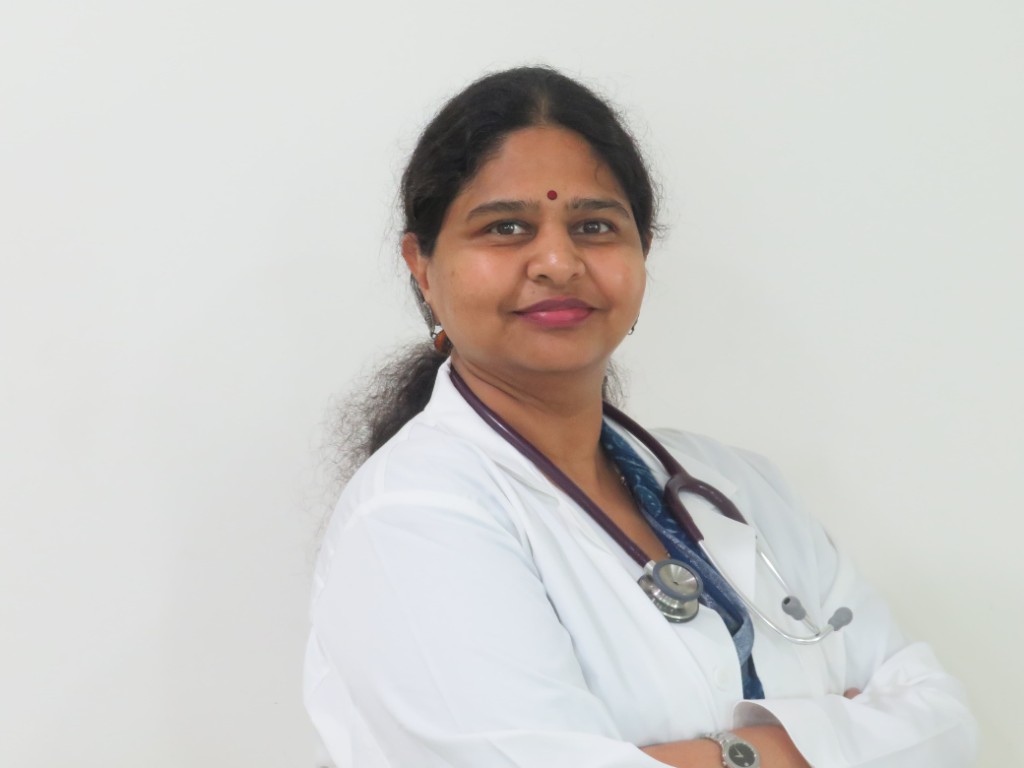 Dr. Sudha Sinha·Medical Oncologist & Hematologist·8 min read
Why nutrition matters so much during chemotherapy
Chemotherapy increases your body's nutritional needs while simultaneously reducing appetite and causing nausea. Adequate protein and calorie intake is directly linked to better treatment tolerance, faster recovery between cycles, and lower risk of treatment interruptions.
The 5 nutrition priorities during chemo
1. Eat every 2–3 hours in small amounts. 2. Include protein in every meal (dal, eggs, curd, paneer, fish). 3. Stay well hydrated — at least 8–10 glasses of water or fluids daily. 4. Choose easy-to-digest foods on treatment days. 5. Do not restrict calories, even if you are overweight — now is not the time for weight loss diets.
Best foods during chemotherapy
Khichdi (rice and dal) — easy to digest, complete protein. Curd and buttermilk — probiotics for gut health. Eggs and paneer — high-quality protein. Bananas and cooked apples — gentle on the stomach. Ginger tea — one of the most effective natural antiemetics. Soups with vegetables — hydration plus nutrients.
Foods to limit or avoid
Raw salads and unpeeled fruits during low white cell count periods (infection risk). Spicy or heavily oiled food on treatment days. Unpasteurised dairy or raw/undercooked meats. Strong-smelling foods if nausea is severe.
When you cannot eat at all
Some days you may manage only a few bites. On those days, prioritise fluids — ORS, coconut water, diluted fruit juice, nimbu pani with salt and sugar. Alert your oncology team if you cannot eat for more than 2 consecutive days — nutritional support may be needed.
Frequently Asked Questions
Related Reads
Questions about your treatment plan?
Our patient coordinator is available on WhatsApp.
WhatsApp 7207815222