

What to Do in the First Two Weeks After a Cancer Diagnosis
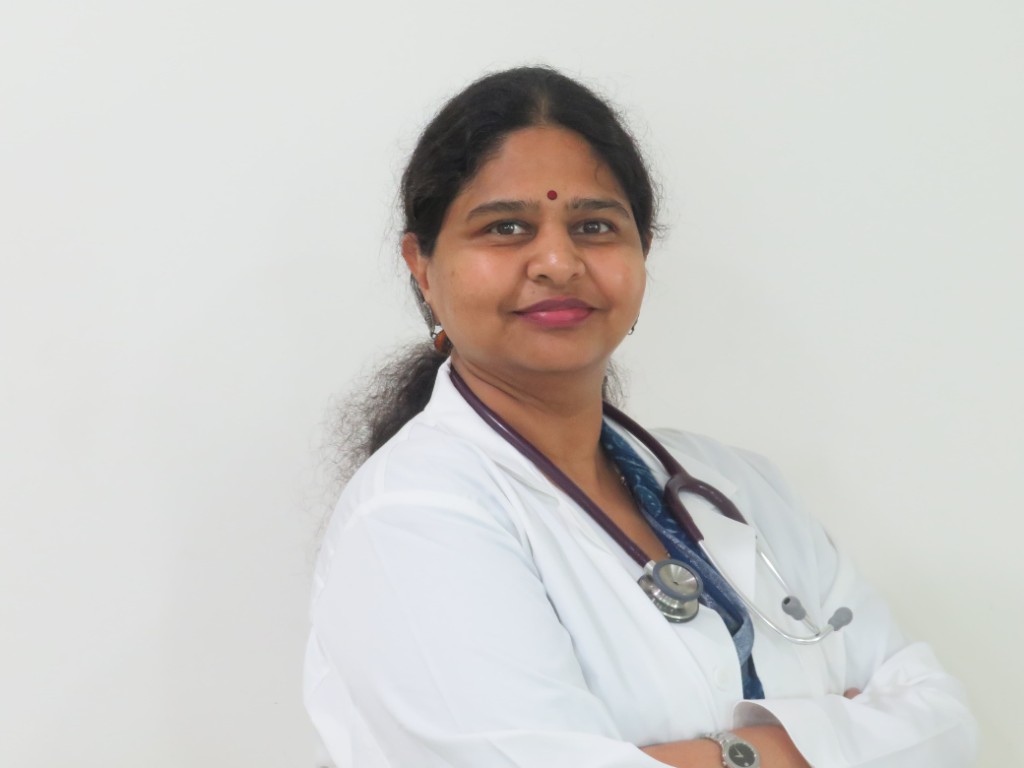 Dr. Sudha Sinha·Medical Oncologist & Hematologist·10 min read
Quick Answer
You do not need to have all the answers in the first week. Focus on confirming your diagnosis, gathering your medical records, meeting your oncologist, and allowing yourself time to process this. Do not make major decisions in the first 48 hours.
Day 1–3: Breathe first
A cancer diagnosis is overwhelming. It is normal to feel shock, fear, anger, or numbness. Resist the urge to immediately Google survival statistics — they are population averages and say very little about your individual case. Talk to someone you trust.
Day 3–7: Gather your medical records
Collect every report you have: biopsy report, imaging scans (CT, MRI, PET), blood tests, any reports from previous doctors. Keep physical and digital copies. Your oncologist needs these before they can plan your treatment.
Day 5–10: See a medical oncologist
A medical oncologist — not a surgeon or a general physician — should be the first specialist you see after a cancer diagnosis. They will co-ordinate your entire care plan. Dr. Sudha Sinha offers appointments and second opinions for newly diagnosed patients.
Questions to ask at your first oncology appointment
What type of cancer do I have, and what stage is it? What tests do I still need before treatment begins? What are my treatment options and what does each involve? What are the side effects we need to manage? How long will treatment take? Can I still work? What is the goal of treatment?
For families and caregivers
Ask before assuming what the patient needs. Some people want company at every appointment; others need space. Ask the patient: "How can I help?" rather than taking over decisions. Your role is to support — not to manage.
Week 2: Build your support team
You will need an oncologist, a nutritionist familiar with oncology, and someone — a friend, family member, or counsellor — for emotional support. You do not need to face this alone, and you should not try to.
Frequently Asked Questions
Related Reads
Questions about your treatment plan?
Our patient coordinator is available on WhatsApp.
WhatsApp 7207815222