

How to Maintain Your Weight During Chemotherapy: Practical Indian Food Ideas
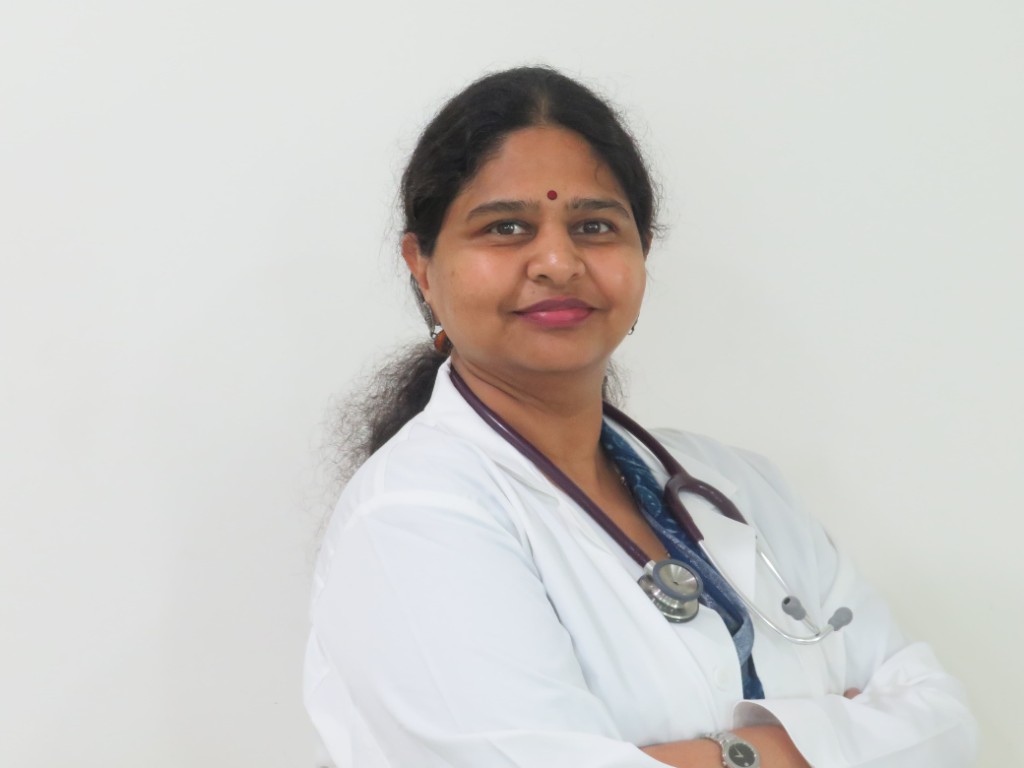 Dr. Sudha Sinha·Medical Oncologist & Hematologist·12 min read
- ✓When you're eating less, don't try to eat more food — make every bite count. The easiest way is to increase the calories and protein in the foods you're already eating.
- ✓Small changes, like adding ghee, peanut chutney, full-fat curd, or coconut milk, can make a big difference.
Why calories matter as much as protein
- ✓Weight loss during chemotherapy is common, and it's serious
- ✓Your body needs energy to repair tissues and tolerate treatment
- ✓The goal during treatment is maintaining weight, not dieting
Weight and muscle are related, but they're not the same thing. This page is about calories — the fastest way to stop the scale from dropping. Protecting muscle depends more specifically on protein, so the two work together rather than interchangeably.
Read the Protein Guide to understand how much protein you need and how to protect your muscle during treatment.
- ✓Appetite is limited
- ✓Increase calories without increasing volume
- ✓Every bite should work harder
Invisible calorie boosters — add to any meal
These are the most powerful tools for poor appetite. Add them to whatever's already being eaten — they raise calories without raising volume.
A tip for caregivers: Add ghee, coconut oil, or malai without announcing it. Patients with no appetite sometimes eat less if they know extra has been added.
Six invisible calorie boosters to stir into meals you're already eating
Not 15 options to remember — just 8 worth keeping on rotation, familiar and genuinely calorie-dense.
- ✓Dal rice with generous ghee — Add curd or an egg for extra protein.
- ✓Khichdi with ghee — Soft, comforting and ideal on difficult days.
- ✓Full-fat curd rice — Cooling and soothing when appetite is poor.
- ✓Home-cooked chicken biryani — A good choice on days when appetite returns.
- ✓Fish curry with rice — One of the best calorie-and-protein combinations.
- ✓Rajma chawal — Hearty and filling during recovery days.
- ✓Pesarattu with peanut chutney — A naturally protein-rich South Indian breakfast.
- ✓Dal makhani with roti — Richer than regular dal and usually well tolerated.
If you feel full quickly, serve smaller portions but eat five or six times a day rather than three large meals.
Small, frequent snacks work better than forcing large meals. Keep a few favourites within easy reach so eating takes very little effort.
- ✓Boiled groundnuts or roasted peanuts
- ✓Peanut chikki
- ✓Sesame laddoo
- ✓A small handful of mixed dry fruits
- ✓Bananas
- ✓Peanut butter on toast
- ✓Cashews
- ✓Dates or khajoor
- ✓Soaked dry figs if constipation is a problem
One or two snacks between meals can make a meaningful difference to your overall calorie intake.
For patients with mouth sores, mucositis, or severe fatigue, chewing solid food can be genuinely difficult. Drinking bypasses that entirely — it's often the difference between getting real calories in or not eating at all.
- ✓A glass of full-fat milk, with jaggery or dry-fruit powder if you enjoy it
- ✓Sweet full-fat lassi, which is cooling and often easier to drink than eat
- ✓Banana milkshake made with full-fat milk
- ✓Pala payasam (rice kheer), a soft, comforting option
- ✓Semiya payasam (vermicelli kheer), which many patients tolerate well
Dr. Sudha's Tip: If drinking is easier than eating, let these nourishing drinks replace a meal or snack. During chemotherapy, maintaining nutrition is more important than eating only solid food.
Many patients feel guilty about eating sweets during chemotherapy.
If you are losing weight or struggling to eat, desserts can sometimes become useful sources of calories rather than foods to avoid.
- ✓Payasam, kheer, halwa and milk-based desserts are often soft, comforting and easier to eat than regular meals
- ✓A small serving of gulab jamun or besan laddoo may provide energy on a day when nothing else appeals
The goal during treatment is to maintain your weight and strength — not to follow a perfect diet.
If you have diabetes, monitor your sugars and largely follow your diabetic diet as advised.
If you do not have diabetes, there is usually no need to avoid an occasional dessert during chemotherapy, although some treatments and steroids can temporarily raise blood sugar.
Stop doing this
Common patterns that quietly work against maintaining weight:
- ✓Filling up on clear soup, jaava, or ganji instead of real food
- ✓Replacing meals with juice
- ✓Avoiding carbohydrates and focusing only on protein
- ✓Avoiding ghee and full-fat foods out of fear of cholesterol
- ✓Waiting until you're hungry to eat, instead of eating on a schedule
- ✓Suddenly restricting your diet right after diagnosis — going strict vegetarian, cutting all sugar, insisting on "clean" or organic food
- ✓Skipping a meal entirely when nauseated, instead of trying a small amount of something familiar
When should you worry?
- ✓You're losing weight every week
- ✓You can't eat for more than 2–3 days
- ✓Clothes are becoming loose
- ✓You're becoming noticeably weaker
Practical tips for caregivers
- ✓Try and involve the patient in diet planning — instead of deciding what's good for them, ask them what they would like to eat
- ✓Add calories quietly, rather than announcing every change
- ✓Use small plates — a full small plate feels more manageable than a half-empty large one
- ✓It's perfectly okay if the same 3–4 foods become favourites for a while
- ✓Don't force-feed
- ✓Celebrate every meal that goes reasonably well, however small
A few deliberate changes to the food you're already eating can genuinely change how well you maintain your weight during treatment.
Frequently Asked Questions
Related Reads
Questions about your treatment plan?
Our patient coordinator is available on WhatsApp.
WhatsApp 7207815222