

10 Lifestyle Changes That Meaningfully Reduce Cancer Risk
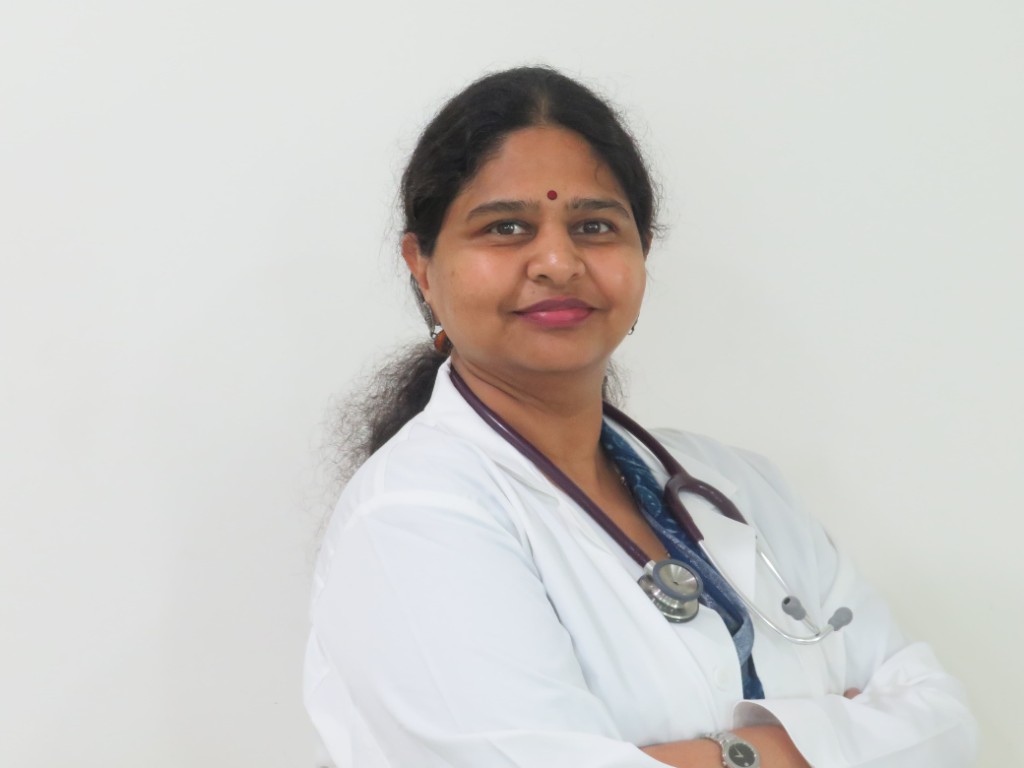 Dr. Sudha Sinha·Medical Oncologist & Hematologist·8 min read
Quick Answer
At least 40% of cancers are preventable. Avoiding tobacco, limiting alcohol, staying physically active, maintaining a healthy weight, and protecting yourself from the sun are the highest-impact changes you can make today.
1. Quit tobacco — completely
Tobacco is responsible for roughly 30% of all cancer deaths. This includes not just cigarettes but bidis, khaini, gutka, and pan masala. The risk drops significantly within 5 years of quitting and continues to fall for 15+ years.
2. Limit alcohol
Alcohol is a Group 1 carcinogen. Even moderate drinking raises the risk of breast, mouth, throat, oesophageal, liver, and colorectal cancers. If you drink, keep it to no more than one unit per day — and preferably less.
3. Move your body every day
Physical activity reduces risk for at least 8 types of cancer, including breast and colon cancer. Aim for 150 minutes of moderate activity per week — brisk walking counts.
4. Maintain a healthy weight
Excess body fat creates chronic inflammation and raises oestrogen levels, both of which promote tumour growth. Even losing 5–10% of body weight if overweight reduces measurable cancer risk.
5. Eat a plant-rich diet
Fill half your plate with vegetables and fruits at every meal. Cruciferous vegetables (broccoli, cabbage, cauliflower), lentils, turmeric, and green tea contain compounds that actively interfere with cancer cell growth.
6. Get vaccinated
The HPV vaccine prevents cervical, throat, and anal cancers. The hepatitis B vaccine prevents liver cancer. Both are available in India and are life-saving preventive tools.
7. Protect yourself from the sun
UV radiation from the sun causes skin cancers including melanoma. Wear sun-protective clothing, use SPF 30+ sunscreen, and avoid direct sun between 10am–4pm.
8. Sleep 7–9 hours a night
Chronic sleep deprivation disrupts immune surveillance and cell repair. Studies link short sleep duration with higher breast and colorectal cancer risk.
9. Reduce environmental exposures
Limit exposure to indoor air pollution (cooking smoke), pesticides, and asbestos where possible. Use proper ventilation when cooking on a gas or solid fuel stove.
10. Go for regular screenings
Prevention and early detection work together. Regular screening catches precancerous lesions before they become cancer. See our Early Detection hub for recommended schedules.
Frequently Asked Questions
Related Reads
Questions about your treatment plan?
Our patient coordinator is available on WhatsApp.
WhatsApp 7207815222